California has a seat on NASA's Artemis II moon mission: Here's who's going, and how to watch
A Pomona-born astronaut, a Bay Area kid's plush toy, and the first crewed lunar flight in 52 years — California's fingerprints are all over Artemis II.


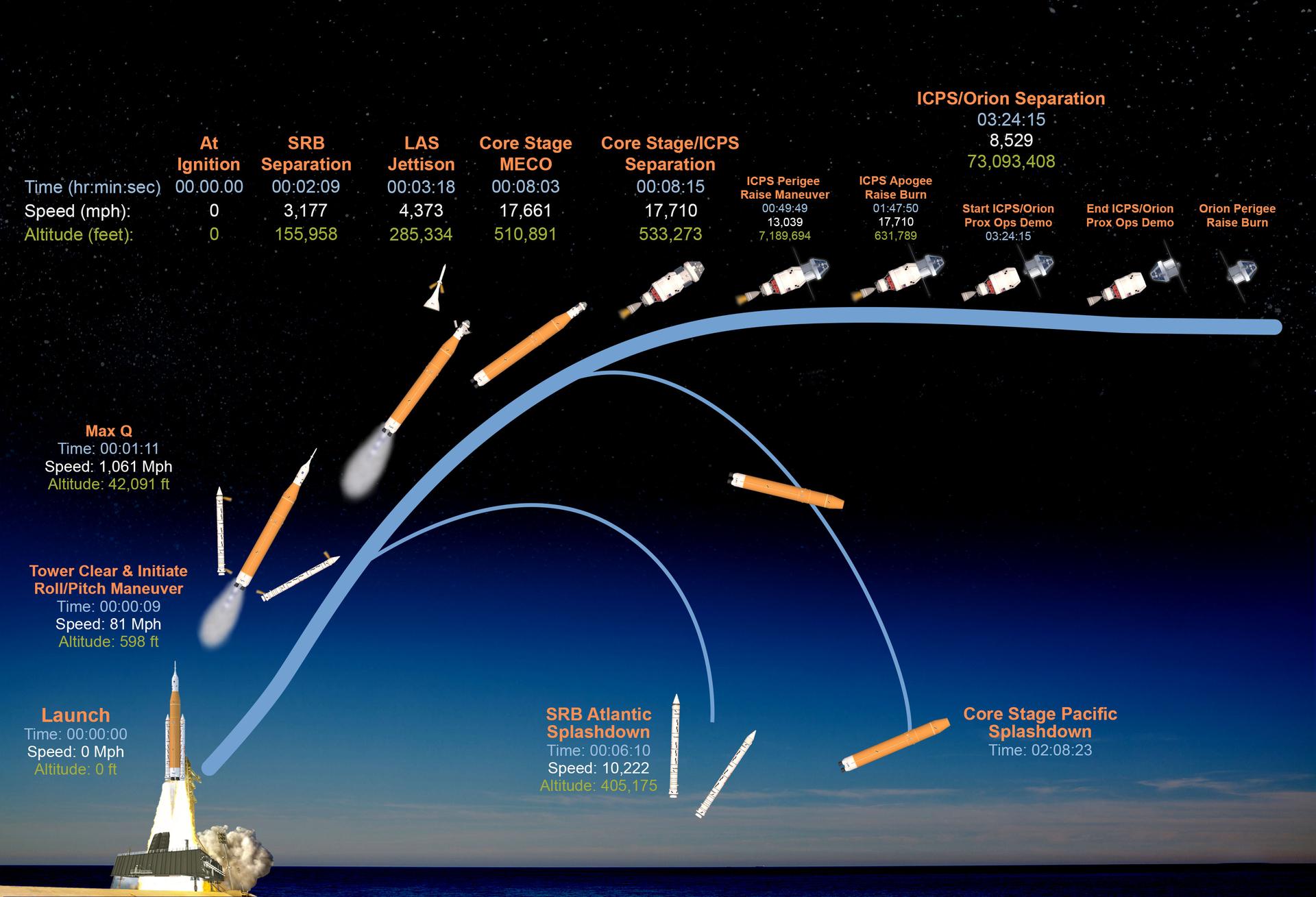
Wednesday evening, if all goes as planned, four astronauts will strap into a spacecraft atop the most powerful rocket ever launched and begin a ten-day journey around the Moon. It will be the first time humans have left Earth orbit since Apollo 17 touched down on the lunar surface in December 1972.
For Californians, NASA's Artemis II mission is not just a moment of national pride — it's personal. The crew includes a son of Pomona. The spacecraft will carry a plush toy designed by a kid from Mountain View. And when the mission ends, the capsule will splash down in the Pacific Ocean, practically on California's doorstep.
When and How to Watch the Artemis II Launch
Launch is set for no earlier than 6:24 p.m. EDT on Wednesday, April 1, with a two-hour window. Additional launch opportunities run through Monday, April 6, if needed.
Live coverage will be available on
- NASA+
- NASA's YouTube channel
- Amazon Prime.
Members of the public can also register to attend virtually through NASA's virtual guest program.
Sources, References & Disclaimers
- NASA Artemis Program Overview
- Final Preparations Underway for NASA's Moon Mission — NASA Blog, March 29, 2026
- NASA Sets Coverage for Artemis II Moon Mission — NASA, March 25, 2026
- Artemis II Crew Arrives at Launch Site, Shares Moon Mascot — NASA Blog, March 27, 2026
- Artemis II Weather Criteria — NASA
This article is based on publicly available NASA sources and press materials. All times are Eastern. Launch schedules are subject to change based on weather and technical conditions. CaliforniaToday does not represent NASA or any affiliated agency.
Meet California's Astronaut: Victor Glover
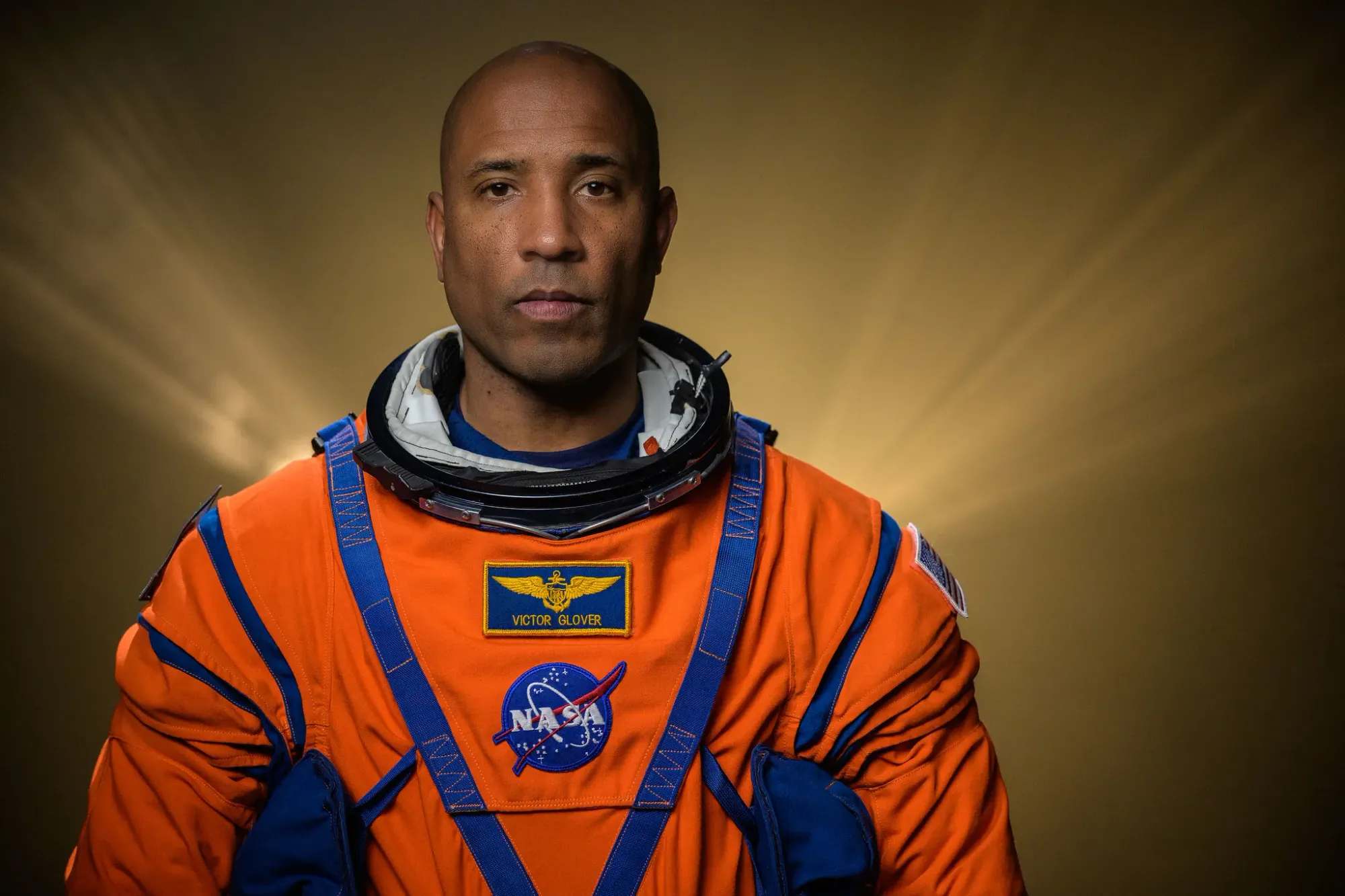
The pilot of Artemis II is Victor Glover, a Navy commander and NASA astronaut born and raised in Pomona, California. As pilot, Glover will be one of the four crew members responsible for operating the Orion spacecraft during its loop around the Moon — a journey that, at its farthest point, will take the crew further from Earth than any humans have ever traveled.
Glover is no stranger to historic firsts. In 2020, he flew aboard the SpaceX Crew Dragon to the International Space Station as part of NASA's Crew-1 mission, becoming the first Black astronaut to serve on a long-duration ISS mission. Now he's adding another chapter: the first crewed flight of the Orion spacecraft beyond Earth orbit.
We have increased the cadence of Artemis missions.
— NASA (@NASA) March 3, 2026
In 2027, the Artemis III mission will test one or both commercial landers from SpaceX and Blue Origin in low Earth orbit. In 2028, Artemis IV will become the first Artemis lunar landing. pic.twitter.com/X4rwPFK2nI
He'll be joined by Commander Reid Wiseman, Mission Specialist Christina Koch — who will become the first woman to travel beyond low Earth orbit — and Canadian Space Agency astronaut Jeremy Hansen.
The crew arrived at Kennedy Space Center in Florida on March 27, and has been in quarantine since, preparing for what NASA is targeting as a no-earlier-than 6:24 p.m. EDT launch on Wednesday, April 1.
A Bay Area Kid's Design Is Going to the Moon
When the Orion spacecraft launches Wednesday, it will carry more than four astronauts — it will carry "Rise," a small plush toy designed by Lucas Ye, a student from Mountain View, California.
"Rise" is what NASA calls a zero gravity indicator: a small stuffed figure that floats freely once the spacecraft reaches weightlessness, offering a visible, playful signal that the crew has left Earth's gravity behind. The tradition dates back to early spaceflight and has become one of the more charming customs of crewed missions.
Ye's design — a round, smiling figure with a hat depicting the Earth on one side and the galaxy on the other — was selected from more than 2,600 submissions from students across more than 50 countries. The design was inspired by the iconic Earthrise photograph taken during the Apollo 8 mission in 1968, the first time humans orbited the Moon. Commander Reid Wiseman announced the selection at Kennedy Space Center at the crew's arrival last Friday.
The name "Rise" is a nod to that moment — and a signal of what this mission represents.
What Is Artemis II, and Why Does It Matter?
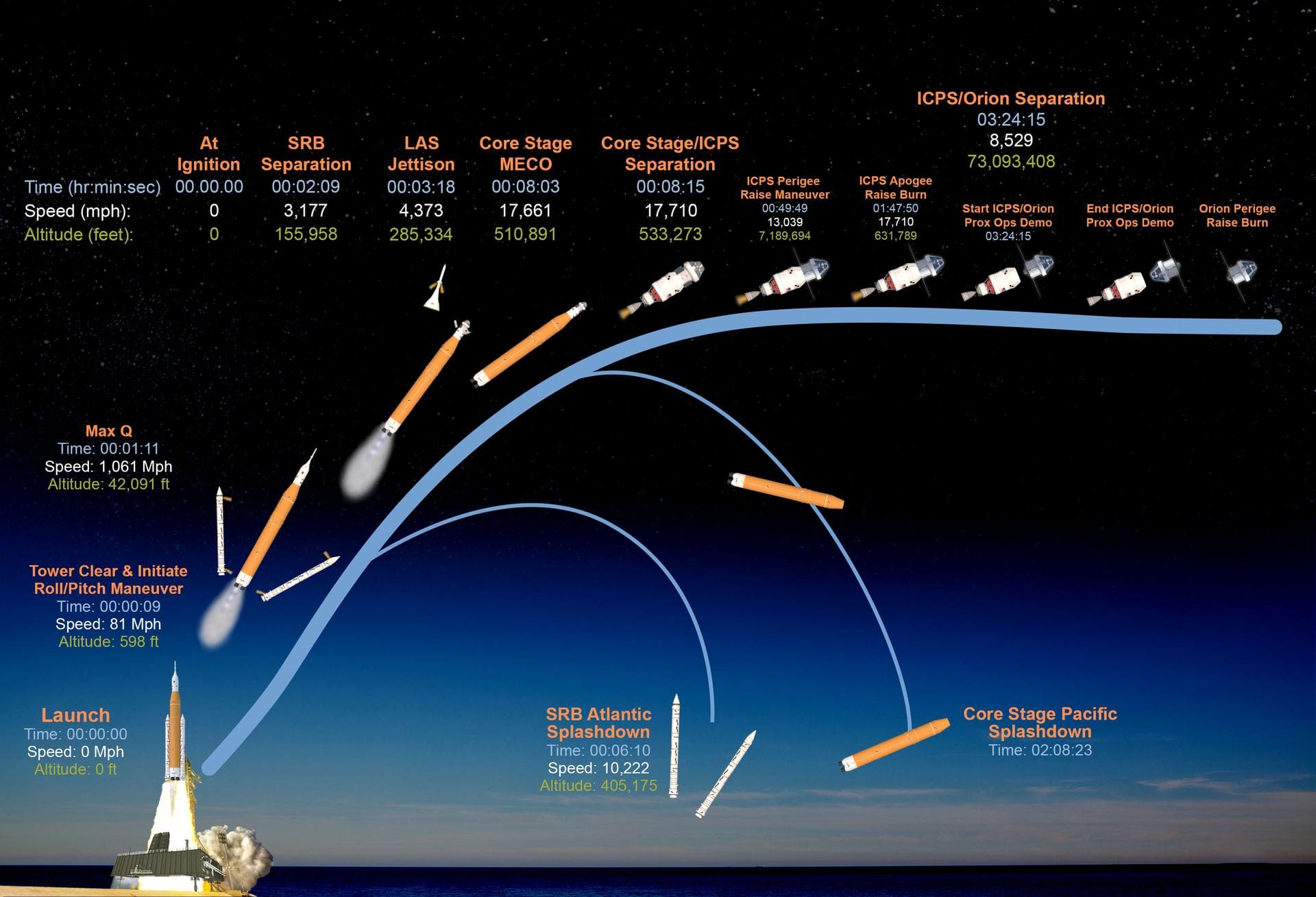
Artemis II is NASA's first crewed mission under the Artemis program, the agency's initiative to return humans to the Moon and eventually send astronauts to Mars. It follows Artemis I, an uncrewed test flight launched in November 2022, which sent the Orion spacecraft on a 25-day loop around the Moon to verify the vehicle's systems.
This time, people are aboard — and that changes everything. The primary goal of Artemis II is to test Orion's life support systems with a live crew for the first time: the air, water, temperature regulation, and communications systems that astronauts will depend on in deep space. If all goes well, the mission will validate those systems and pave the way for Artemis III, currently planned to land humans on the lunar surface for the first time since Apollo.
The mission will last approximately 10 days. The crew will not land on the Moon — instead, they will conduct a free-return trajectory, swinging around the far side of the Moon and using its gravity to slingshot them back toward Earth. On approximately April 6, they are expected to surpass the record for the farthest distance any humans have ever traveled from Earth, a mark previously set by the Apollo 13 crew at 248,655 miles.
Splashdown is expected in the Pacific Ocean on April 10.
The Final Countdown Begins Today
With the rocket on the pad and the crew in quarantine, NASA is moving through its final pre-launch milestones. Teams at Kennedy Space Center reported that the weather forecast for launch day shows an 80% chance of favorable conditions, with the primary concerns being cloud coverage and the potential for high winds.
On Monday, March 30, NASA holds a news conference at 5 p.m. EDT following a key mission management meeting. Participants will include Associate Administrator Amit Kshatriya, Mission Management Team chair John Honeycutt, launch director Charlie Blackwell-Thompson, and chief flight director Emily Nelson. A prelaunch news conference on countdown status is planned for Tuesday, March 31 at 1 p.m. EDT.
For a state that has long shaped the course of space exploration — from the engineers at JPL to the astronauts who trained at its military bases — Wednesday is one to watch.